處鋰科技 recently again used its innovative "enzyme degradation and decomposition technology" to win two gold medals at the recently concluded 2024 European Cup Invention Exhibition. This advanced technology, which is highly environmentally friendly and low-cost, brings a brand-new breakthrough to the treatment and recycling of waste lithium batteries, offering a sustainable solution for global green recycling of used batteries.
The 2024 European Cup Invention Exhibition, which concluded successfully on the 8th, gathered hundreds of technology companies and research institutions from around the world to showcase cutting-edge technologies. 處鋰科技's waste lithium battery "enzyme degradation and decomposition technology" stood out among many entries, winning a gold medal and the UK Special Award — Gold, taking double gold. This achievement highlights that the Taiwan-originated "enzyme degradation and decomposition technology" can not only greatly improve the efficiency of regenerating materials from waste lithium batteries, but also balances environmental protection and effective resource utilization, making it one of the highlights of this year's exhibition.
With the popularization of electric vehicles and renewable energy, demand for lithium batteries is increasing day by day, which will bring huge recycling and disposal challenges for waste lithium batteries in the future. Looking at current traditional lithium battery recycling and disposal methods, it is difficult to avoid generating large amounts of waste and pollution. 處鋰科技's innovative "enzyme degradation and decomposition technology" offers a sustainable solution.
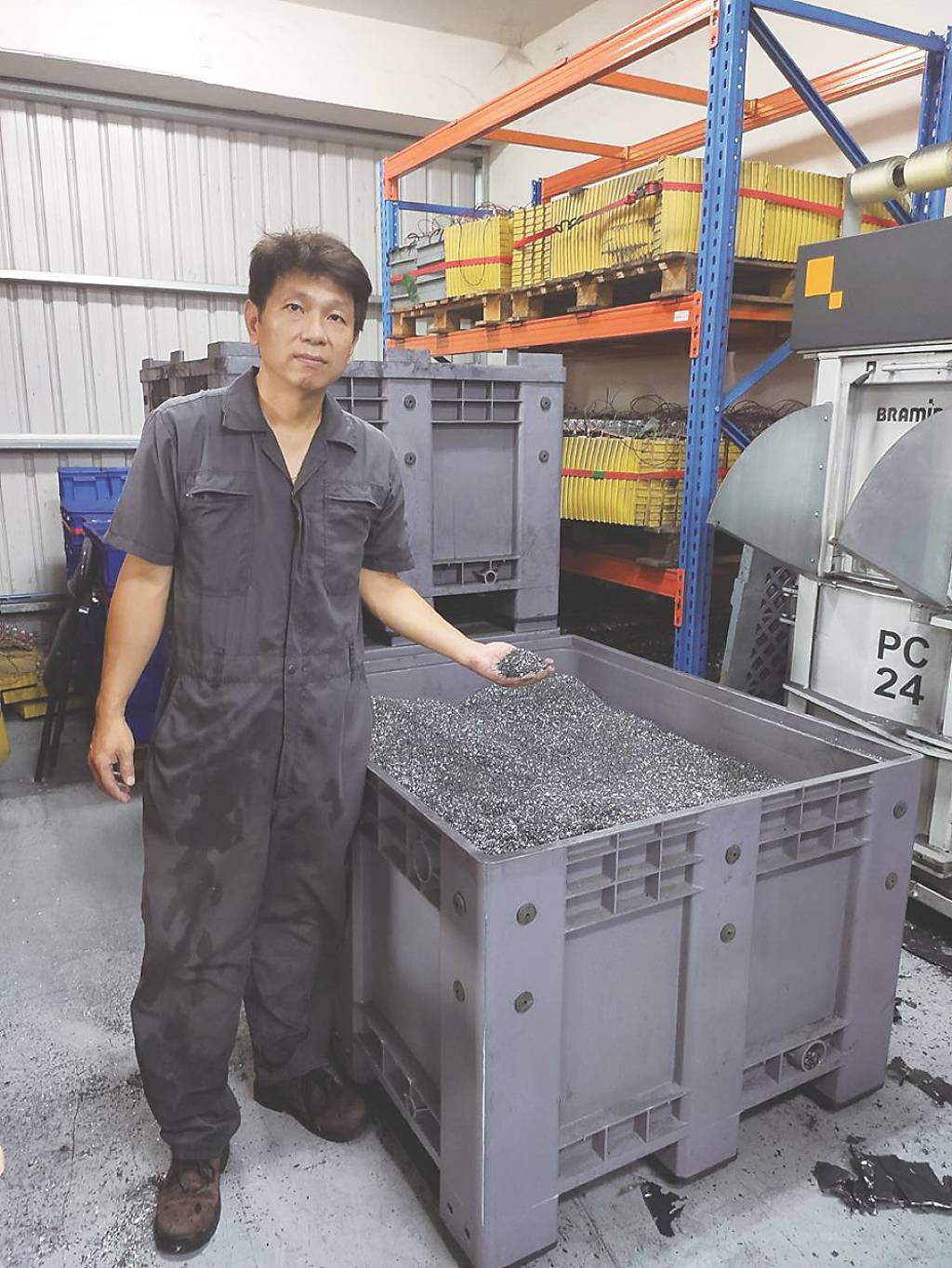
Chen Wenxian, chairman of 處鋰科技, pointed out that the "enzyme degradation and decomposition technology" uses proprietary patented special enzymes to break down the harmful chemical substances in lithium batteries, converting them into harmless byproducts while recovering valuable metals such as lithium, cobalt, and nickel. The greatest value of this technology lies in its high efficiency, environmental friendliness, and low cost, significantly improving the recycling rate of waste lithium batteries and reducing negative impacts on the environment.
After receiving the award, Chen Wenxian said: "I am honored to receive the gold medal on such an influential international stage. This is another recognition of the years of effort by the 處鋰科技 team. The enzyme degradation and decomposition technology has not only achieved great success on the technical level, but also embodies the company's commitment to Environmental, Social, and Governance (ESG) principles, and has made a positive contribution to the global net-zero emissions goal. In the future, we will continue to research and promote more environmentally friendly and efficient technologies to contribute to global green technology and sustainable development."
處鋰科技 plans to promote the commercial application of the "enzyme degradation and decomposition technology" within the next year and to begin commercialization cooperation with multiple international battery manufacturers and recycling companies. Industry collaboration will drive innovation in the global lithium battery recycling industry and further implement ESG principles.
Chen Wenxian emphasized that 處鋰科技, with the belief of "rooted in Taiwan with a global outlook," will actively seek and welcome new cooperation opportunities from both domestic and international partners to jointly promote innovative and environmentally friendly waste lithium battery recycling and processing technologies to the global market, helping more countries and regions achieve green recycling of lithium batteries.