Engine oil, lubricating oil
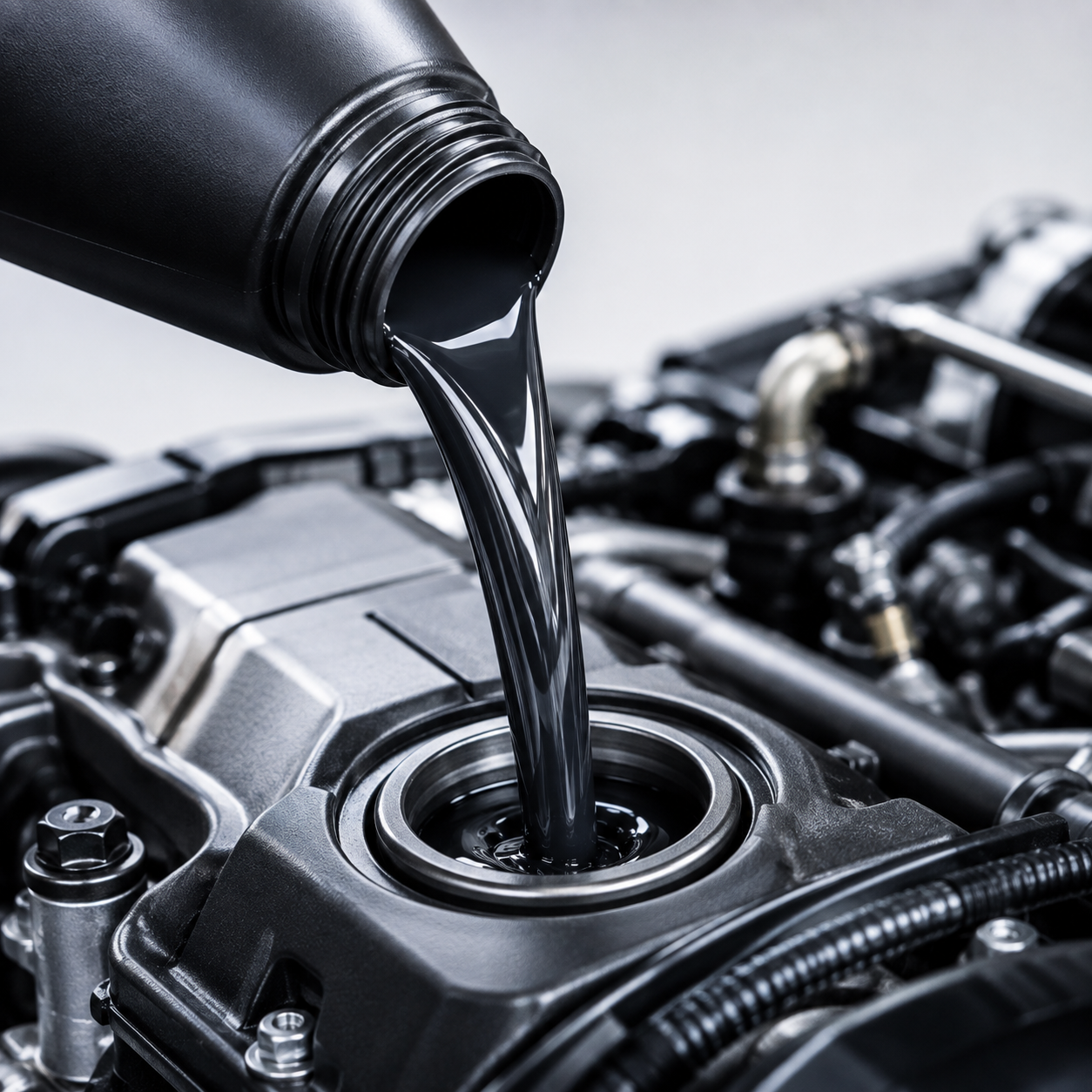
Graphene delivers revolutionary performance in the field of lubrication, allowing the effectiveness of conventional lubricants to be greatly enhanced.
Below are the core advantages and mechanisms of graphene when applied to engine oil and lubricants:
-
Extreme anti-wear and friction reduction (lowering the coefficient of friction): Graphene is a two-dimensional nanosheet layered structure with very low sliding friction between layers. When it is evenly dispersed in engine oil and adheres to metal component surfaces, it acts like laying down an extremely smooth "nano ball bearing" layer, greatly reducing frictional resistance and wear during engine or machinery operation.
-
Microscopic "self-healing" function: The surfaces of metal parts are actually filled with tiny pits and scratches under a microscope. Nanoscale graphene particles can precisely fill these small wear defects, forming a tough protective film (tribochemical film) on the metal surface, making the surface smoother and helping restore and maintain engine cylinder pressure.
-
Enhanced heat dissipation and resistance to high-temperature degradation: Thanks to graphene's excellent thermal conductivity, lubricants containing graphene can more quickly carry away high temperatures generated inside engines or machinery. At the same time, graphene's chemical stability can improve the oil's oxidation resistance and extend the oil's service life (making it less prone to degradation).
-
Improved power output and fuel economy: Because internal engine friction is significantly reduced and operation is smoother, the most immediate effects are more responsive throttle response, reduced engine noise and vibration, and effectively improved fuel efficiency (fuel savings) or the energy-saving performance of industrial equipment.